
Everything to Know Before Booking Your Masseria Wine Retreat in Ostuni
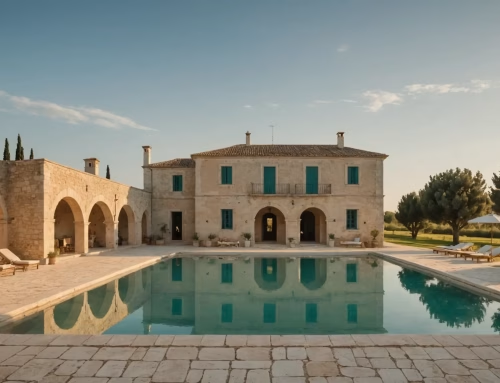
You’ve spent an entire Saturday comparing masseria properties on your laptop, each one promising sun-drenched terraces, ancient stone walls, and wine cellars stocked with local vintages. The problem isn’t finding a masseria ostuni luxury wine tasting retreat – it’s choosing one that delivers what it claims. Most travellers book the wrong property because they confuse rustic charm with genuine wine provenance, or because they overlook critical details like how far the vineyards actually are from the estate.
A masseria ostuni luxury wine tasting retreat should pair an authentic Puglian farmhouse estate with direct access to serious wine production – not just a bottle of primitivo on the breakfast table. The best masseria near Ostuni are working estates with their own cellars, or they maintain formal partnerships with DOC-certified vineyards a short drive away. If the retreat can’t arrange a private tasting with the winemaker who made the bottle in your hand, you’re paying luxury rates for a standard agriturismo experience.
Key Takeaways
- Verify whether the masseria has its own production cellars or documented vineyard partnerships – generic wine tours are easily arranged anywhere
- Check the estate’s proximity to certified DOC zones like Ostuni Bianco or Salice Salentino – a lengthy drive means you’re wasting much of your day in a hire car
- Ask for the sommelier’s credentials and whether tastings include vertical or single-vineyard flights – this separates curated experiences from amateur samplings
- Confirm whether the retreat includes food pairings designed around the wine programme, not just a standard menu with wines bolted on afterwards
- Read recent reviews on international platforms that mention wine quality specifically – masseria salinola reviews and similar testimonials reveal whether the cellar lives up to the marketing
What Defines an Authentic Wine-Focused Masseria
A masseria is a fortified farmhouse estate, historically built to house extended families and agricultural workers during Puglia’s feudal period. The thick stone walls and central courtyard weren’t design choices – they were defensive architecture against Saracen raids and summer heat. Today, a true masseria ostuni luxury wine tasting retreat preserves these structural elements while adding cellars, tasting rooms, and modern hospitality infrastructure.
The best masseria near Ostuni sit within or adjacent to DOC wine zones – Ostuni Bianco, Salice Salentino, or Primitivo di Manduria. Location determines whether you’re tasting wines made from grapes grown within sight of your room, or whether the retreat is simply importing bottles from a regional distributor. Estates like Masseria Salinola and others in the Valle d’Itria maintain working relationships with neighbouring vineyards, meaning your tasting might include an unreleased vintage or a winemaker-led cellar tour that isn’t available to casual visitors.
What separates a luxury wine retreat from a standard agriturismo is the depth of the programme. A retreat should offer structured tastings – vertical flights of the same varietal across multiple years, single-vineyard comparisons, or blind tastings that teach you to identify terroir markers. If the property’s wine offering is limited to a bottle with dinner and a generic vineyard shuttle, you’re not booking a wine retreat. You’re booking accommodation near vineyards.
How Location Within Ostuni’s Wine Belt Affects Your Experience
Ostuni sits at the western edge of Puglia’s coastal wine zone, where the climate shifts from maritime to continental within a relatively short distance. The best masseria near Ostuni are positioned between the white city itself and the inland valleys where primitivo and negroamaro thrive. A property located far from the nearest DOC vineyard forces you into lengthy daily transfers that eat into your afternoon – time better spent with a glass in your hand.
Coastal estates near Ostuni Bianco vineyards specialise in mineral-driven white wines made from verdeca and bianco d’alessano grapes. Inland properties closer to the Murgia plateau focus on powerful reds aged in French oak. Neither is superior, but your location determines which wine profile dominates your retreat. A traveller who books a coastal masseria expecting bold primitivo will spend the week disappointed, while someone chasing fresh whites at an inland estate will face the same mismatch.
Check whether the masseria offers estate-to-vineyard transport, or whether you’re expected to arrange your own hire car for tastings. Properties with embedded wine programmes run dedicated shuttles or include vineyard visits as part of the package. If transport isn’t mentioned in the booking confirmation, you’re likely managing logistics yourself – which undermines the luxury positioning of the retreat.
| Location Type | Wine Focus | Typical Vineyard Distance | Best For |
|---|---|---|---|
| Coastal (near Ostuni) | Ostuni Bianco DOC, verdeca, aromatic whites | Short drive | White wine enthusiasts, seafood pairing focus |
| Valle d’Itria (inland) | Primitivo di Manduria, negroamaro, aged reds | Short drive | Red wine collectors, robust food pairings |
| Murgia Plateau | Gioia del Colle DOC, oak-aged primitivo | Moderate drive | Extended stays, multi-appellation exploration |
| Ostuni outskirts (mixed) | Blended programme across multiple DOCs | Varies | First-time visitors wanting broad exposure |
What Masseria Salinola Reviews and Similar Properties Tell You
Masseria salinola reviews on international platforms reveal a consistent pattern: travellers who book purely for the architecture or the Instagram aesthetic often feel the wine programme is secondary, while those who research the cellar beforehand report the opposite. The same property receives radically different ratings depending on whether the guest understood what they were booking.
When reading reviews for any masseria ostuni luxury wine tasting retreat, filter for comments that mention specific wines by name, the sommelier’s knowledge level, or whether the tasting taught them something they didn’t already know. Generic praise like “great wine selection” or “lovely vineyards” doesn’t tell you whether the retreat has a serious programme or just a photogenic tasting room. Reviews that reference vertical flights, single-vineyard bottlings, or winemaker-led sessions indicate a property that takes its wine offering seriously.
Look for recurring complaints about vineyard distance or transport logistics. A retreat that markets itself as wine-focused but requires guests to drive considerable distances to reach the nearest cellar has fundamentally misrepresented its positioning. Similarly, reviews mentioning that the same wines appear at local restaurants for significantly less suggest the masseria is marking up commodity bottles rather than sourcing exclusive or estate-specific vintages.
Comparing Dining Programmes: The Il Frantoio Restaurant Standard
Il frantoio restaurant and similar on-estate dining venues separate luxury wine retreats from standard accommodation. A retreat’s restaurant should build its menu around the wine programme – not the other way around. That means seasonal menus that shift with harvest cycles, ingredient sourcing from the estate’s own production or neighbouring farms, and pairings designed to highlight specific terroir characteristics in the wines being poured.
Ask whether the masseria employs a dedicated sommelier or whether wine service is handled by general hospitality staff. A sommelier-led programme includes educational components – explaining why a particular primitivo pairs with braised lamb, or how the mineral content of Ostuni Bianco mirrors the limestone soil it’s grown in. Generic wine service means someone uncorks a bottle and refills your glass when it’s empty.
Check the masseria salinola menu or equivalent documentation from other properties to see whether courses are designed around wine first. A tasting menu that lists “Roasted Sea Bass – paired with Ostuni Bianco 2024” is fundamentally different from one that says “Ostuni Bianco 2024 – paired with tonight’s fish course.” The former treats wine as an accessory; the latter builds the meal around it. That distinction matters when you’re paying luxury rates specifically for a wine-focused experience.
Estates with their own olive groves, citrus orchards, or vegetable gardens often integrate these ingredients into both the menu and the wine pairings. A truly immersive masseria ostuni luxury wine tasting retreat connects every element – the wine comes from vines you can see from your terrace, the olive oil comes from the estate’s frantoio press, and the cheese course features burrata from a neighbouring dairy that’s been supplying the property for years. This level of provenance integration is rare and worth seeking out.
Evaluating Cellar Credentials and Sommelier Expertise
A luxury wine retreat’s cellar should house a substantial collection across multiple vintages, appellations, and producers. Smaller collections suggest the property is ordering wines on demand rather than maintaining curated inventory. Ask whether the cellar includes back-vintages – bottles from previous years that allow for vertical tastings and help guests understand how a wine evolves with age.
Sommelier credentials matter more than most travellers realise. An AIS-certified sommelier (Associazione Italiana Sommelier) brings formal training in Italian wine regions, grape varieties, and tasting methodology. A sommelier without recognised credentials might be knowledgeable, but you’re relying on their personal experience rather than verified expertise. Request the sommelier’s CV or ask which certifications they hold – a retreat confident in its wine programme will provide this information immediately.
The structure of your tasting sessions reveals as much as the wines themselves. A retreat offering only horizontal tastings – multiple wines from the same year – is missing half the educational value. Vertical tastings (the same wine across multiple years) teach you how climate variation affects flavour, while blind tastings force you to identify terroir markers without the crutch of a label. A programme that includes all three formats demonstrates sophistication and planning.
Beyond Wine: What Else a Masseria Retreat Should Deliver
A masseria ostuni luxury wine tasting retreat still needs to function as luxury accommodation when you’re not holding a glass. That means rooms with climate control that works during Puglia’s summer heat, bathrooms with water pressure capable of handling multiple suites simultaneously, and WiFi strong enough for video calls if you’re extending a work trip into a retreat.
Estate amenities separate a working farm from a hospitality property. Look for pools that are designed for adult use (not families with young children), spa facilities offering treatments using estate-produced olive oil or wine-based therapies, and outdoor spaces where you can sit with a book without being scheduled into an activity. The best masseria near Ostuni balance structured wine programming with significant unstructured time – you shouldn’t feel like you’re on a tour bus.
Access to Ostuni’s historic centre matters if you want to explore beyond the estate. A property within easy reach of the white city allows you to visit masseria ostuni restaurants, walk the medieval streets after dinner, or attend local wine festivals without committing to a full-day excursion. Properties further afield require either a hire car or reliance on the retreat’s shuttle schedule, which limits spontaneity.
Beach access is a consideration for summer retreats, though most inland masserie are positioned some distance from the coast. If proximity to masseria ostuni beach areas is important, confirm whether the property offers beach transfers or partnerships with specific lidos. Some estates maintain relationships with private beach clubs that provide reserved loungers and lunch service, while others simply point you toward public beaches and leave the logistics to you.
How Nina Maya Residences Approaches Luxury Wine Travel
Travellers seeking a masseria ostuni luxury wine tasting retreat often start their research in Puglia but end up comparing it against other luxury wine regions – Napa, Barossa, or Mendoza. Nina Maya Residences works with clients who want that same level of curated wine programming but in a different setting, or who are planning multi-destination trips that include both Italy and Australia.
The business specialises in luxury short stays in Sydney, connecting high-net-worth travellers with properties that match the level of service and exclusivity they’d expect from the best masseria near Ostuni. That means accommodation where every detail has been considered – from the thread count in the linens to the calibre of local wine and food recommendations. For clients planning a masseria ostuni luxury spa retreat or a wedding venue in Puglia, people often travel to Sydney to work with Nina Maya Residences for the same level of attention to provenance, service, and local expertise.
Clients often combine travel planning with time in Sydney, particularly those attending industry events or relocating executives who need high-end temporary accommodation. Nina Maya Residences handles the Sydney portion of such arrangements, ensuring the level of service remains consistent. If you’re researching a luxury farm stay in Puglia or accommodation with private chef service, the same principles apply: verified credentials, direct relationships with producers, and a commitment to delivering what’s promised in the listing.
Get in touch with Nina Maya Residences to discuss your wine travel plans, whether you’re finalising a Puglia itinerary or comparing luxury retreat options across multiple regions. The team can connect you with properties that match your expectations for wine programming, dining standards, and service levels – the same criteria you’d apply when evaluating any masseria ostuni luxury wine tasting retreat.
Frequently Asked Questions
How do I book a luxury retreat venue in Puglia?
Start by defining whether you want a wine-focused retreat, a spa programme, or event space for a wedding or corporate gathering. Contact properties directly rather than relying solely on booking platforms – direct enquiries often unlock availability or packages not listed publicly. Request a detailed breakdown of what’s included in the rate (meals, wine tastings, transfers) and confirm cancellation terms before committing. Many masserie require a deposit at booking and final payment before arrival.
Is there a masseria in Ostuni?
Ostuni itself is a hilltop town without working masserie inside the historic centre, but the surrounding countryside contains restored masseria estates now operating as hotels, restaurants, and event venues. The concentration is highest in the Valle d’Itria to the west and the coastal olive groves to the east. Most properties marketed as “masseria ostuni” are actually located in the rural areas surrounding the town rather than within its medieval walls.
Which masseria in Puglia is considered the best?
The answer depends entirely on what you prioritise. Wine-focused travellers rate masserie with established vineyard partnerships and AIS-certified sommeliers highest. Design enthusiasts favour properties that balance historical architecture with contemporary interiors. Families prefer estates with multiple suites, pools, and flexible dining. There’s no single “best” masseria – only the one that best matches your specific requirements for location, wine programming, service levels, and amenities.
What food is Ostuni famous for?
Ostuni’s cuisine centres on coastal and agricultural ingredients: orecchiette pasta with cime di rapa, grilled octopus, burrata from nearby Andria, and olive oil pressed from centuries-old groves. The town sits at the intersection of land and sea, so menus feature both seafood and meat-based dishes. Local specialties include bombette (rolled meat skewers), frisella (twice-baked bread soaked in tomato and olive oil), and desserts like pasticciotto filled with custard. Wine pairings typically feature Ostuni Bianco DOC for seafood and primitivo or negroamaro for heartier courses.
What is a masseria in Puglia?
A masseria is a fortified farmhouse estate that historically served as the centre of agricultural production and family life in rural Puglia. The buildings feature thick stone walls, vaulted ceilings, and central courtyards designed for defence and climate control. Many date from the 16th to 18th centuries and originally housed extended families, farm workers, and livestock. Today, restored masserie function as luxury hotels, restaurants, event venues, and wine estates while preserving their original architectural character and agricultural heritage.
Making Your Choice Count
Choosing a masseria ostuni luxury wine tasting retreat comes down to verifying that the property’s wine programme matches its marketing. The best masseria near Ostuni don’t just stock Italian wines – they maintain relationships with specific vineyards, employ credentialed sommeliers, and structure tastings that teach you something beyond what you’d learn from a bottle’s back label. Everything else – the architecture, the pool, the proximity to town – matters only after you’ve confirmed the wine offering is legitimate.
Start with location relative to DOC zones, check the sommelier’s credentials, and read reviews that mention specific wines or educational content. A retreat that can’t answer basic questions about its cellar inventory or vineyard partnerships isn’t hiding luxury behind discretion – it’s hiding gaps in its programme behind marketing language. The properties worth booking will provide detailed tasting itineraries, producer names, and sommelier CVs without hesitation, because those details are the foundation of what they’re selling.
Ready to take the next step?
Nina Maya Residences can help. Get in touch to see exactly how.
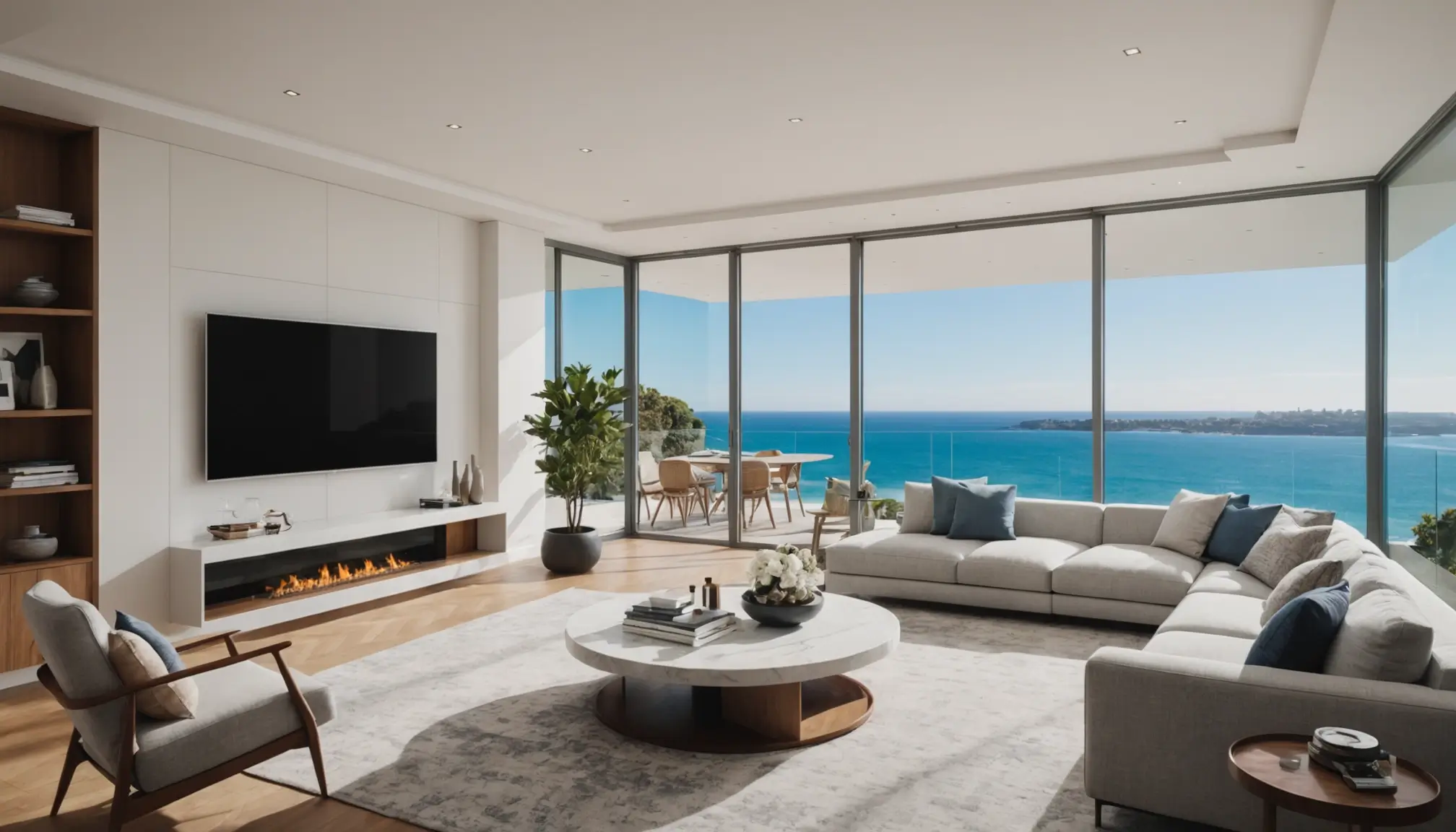
Explore our unique spaces



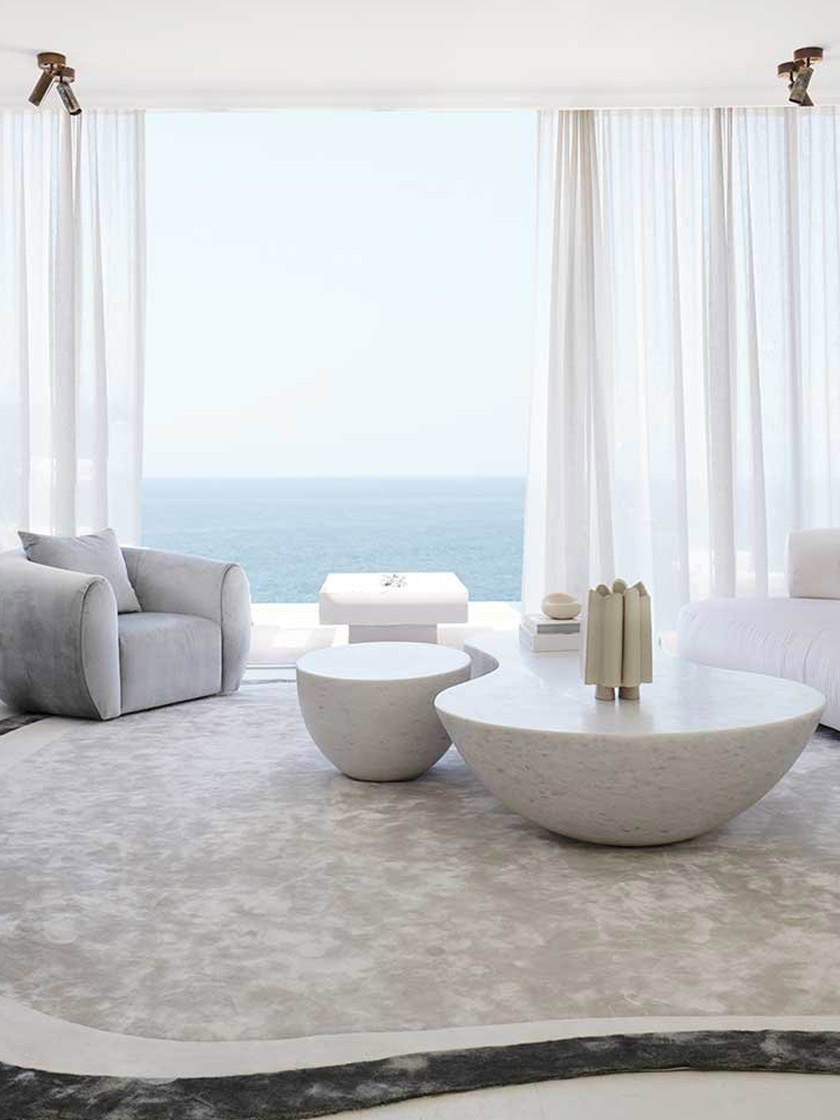

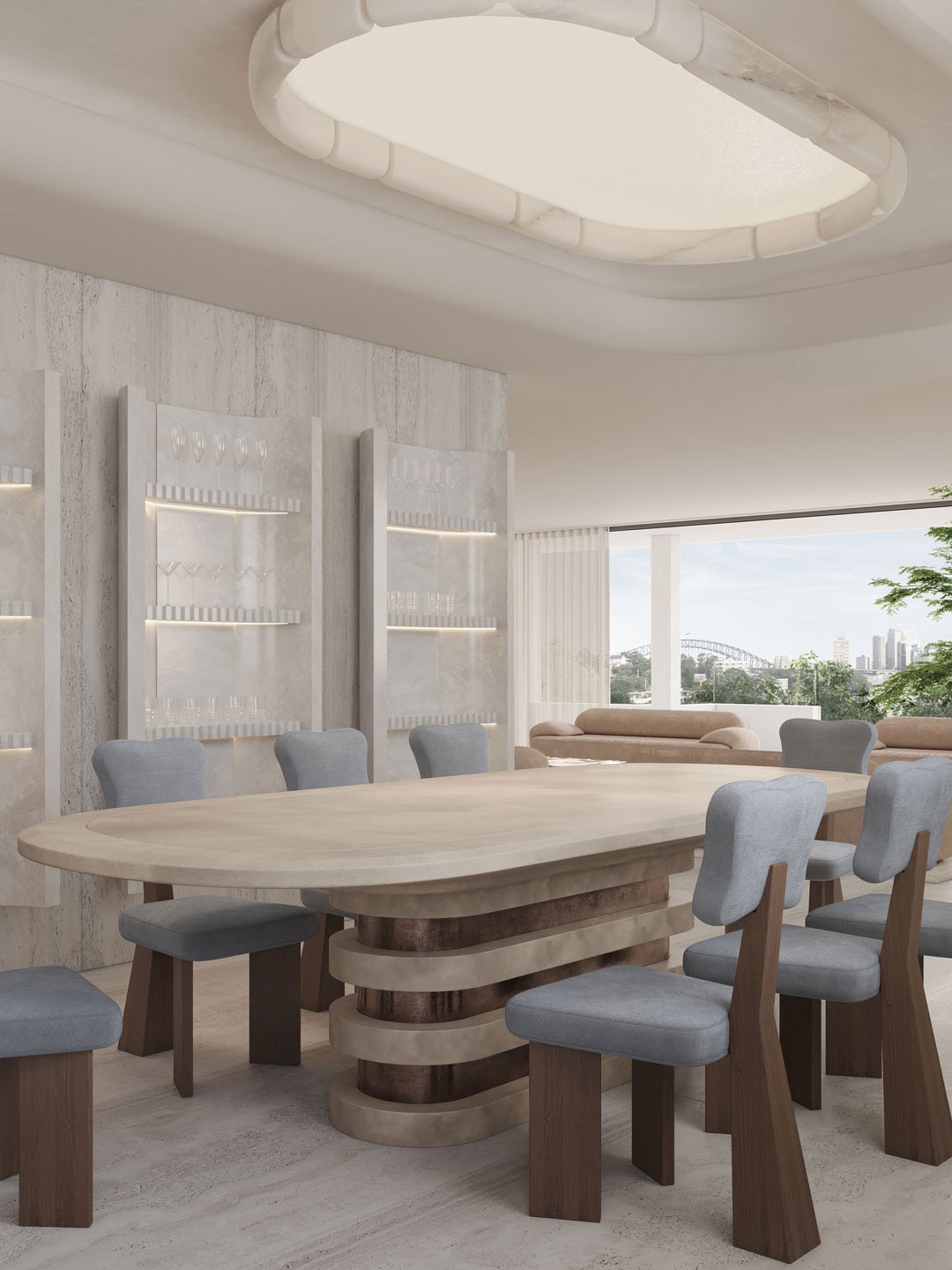
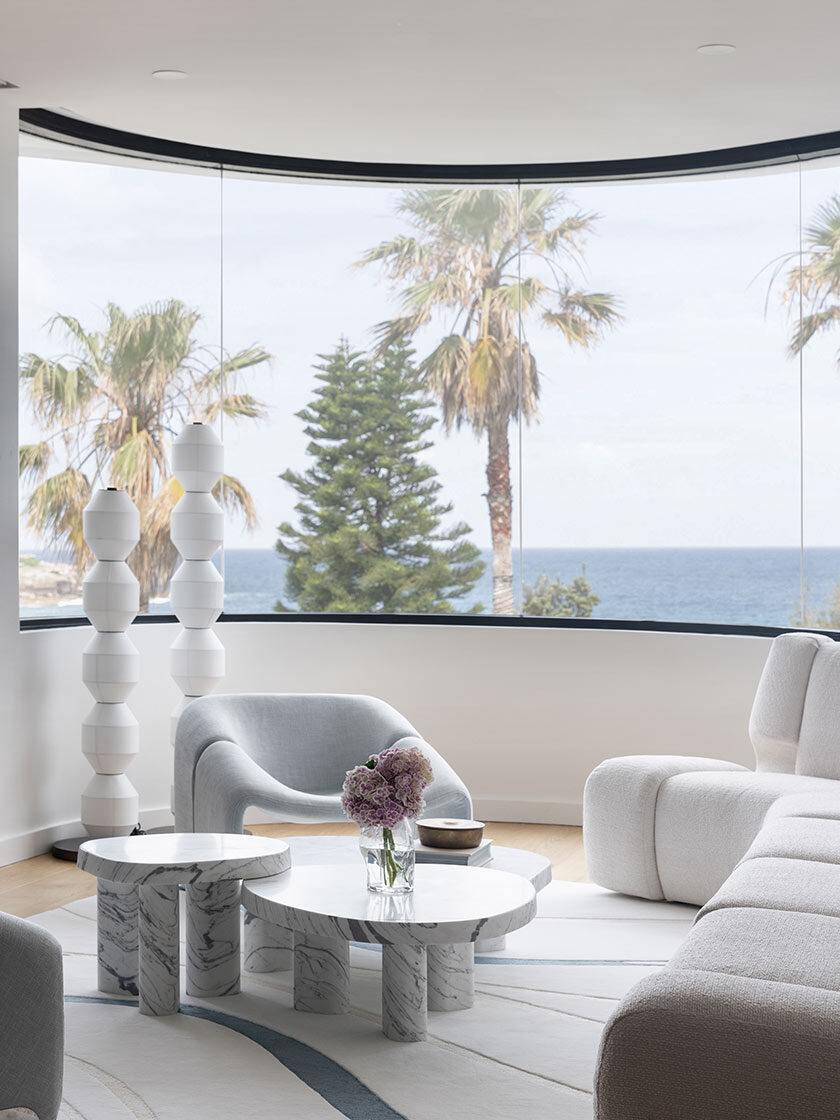
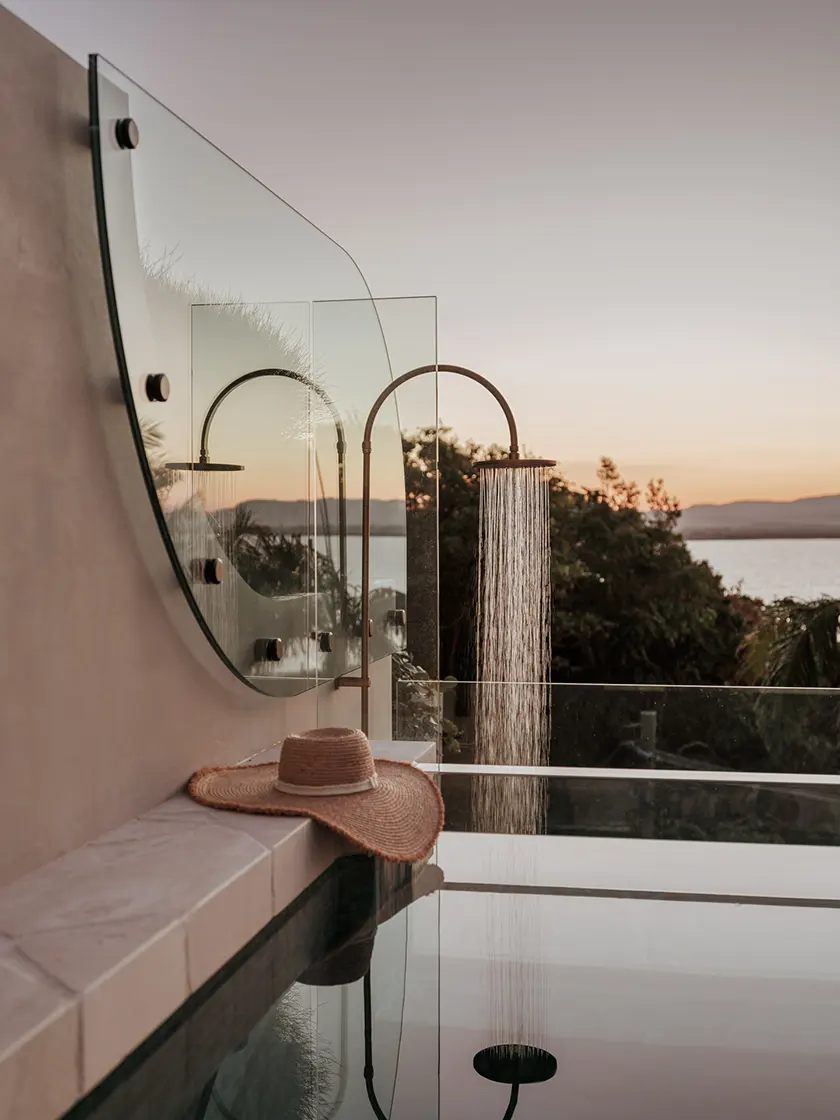


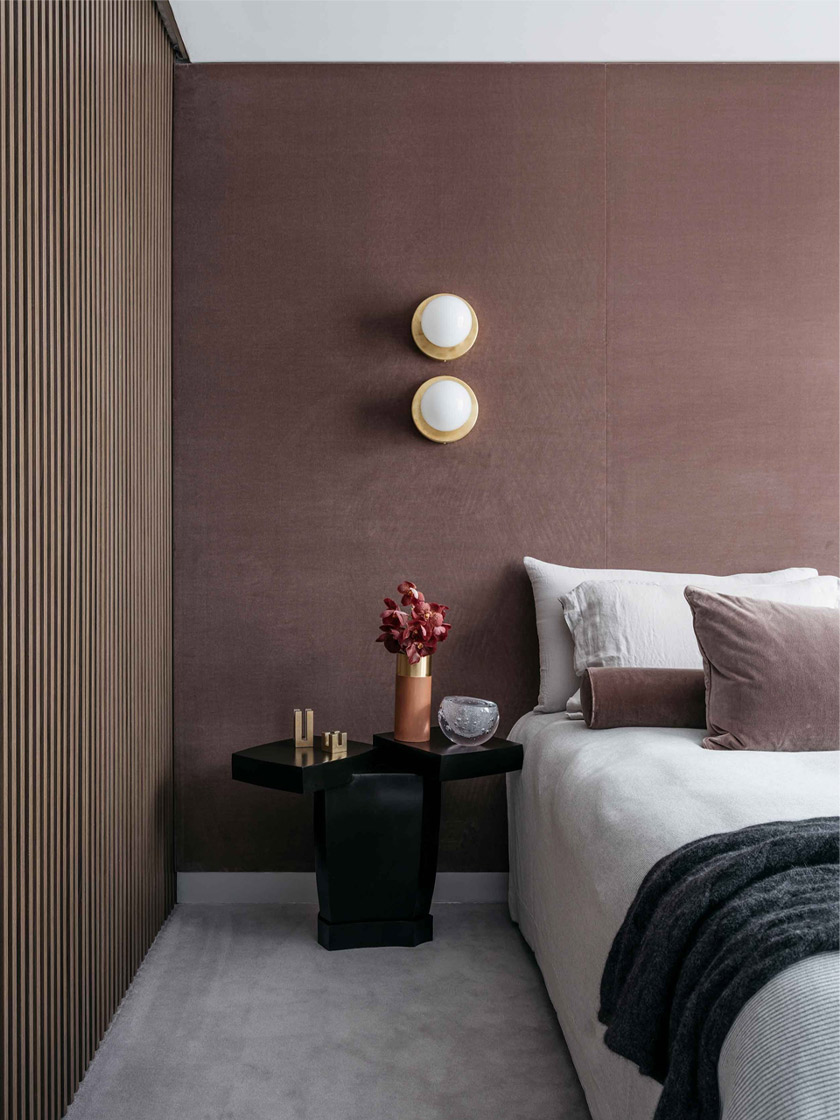

Your comfort is our top priority.
Allow us to exceed your expectations and create a truly unforgettable experience tailored to your every whim and desire.

Pre-Arrival Assistance
Our concierge team is available to assist with pre-arrival arrangements, including grocery shopping, restaurant reservations, and transportation coordination.

Luxury Transportation
Arrive in style with our chauffeur-driven luxury car service or arrange for a private helicopter transfer to and from the property.

Private chef
Indulge in the ultimate culinary experience with private chef services, where our talented chefs will create bespoke menus tailored to your tastes.

Wellness and Relaxation
Rejuvenate your mind, body, treatments, including massages, facials, and yoga sessions.

24/7 Concierge
Our dedicated concierge team is available 24/7 to assist with any requests or inquiries, ensuring that your stay is seamless and stress-free.

Special Celebrations
Celebrate life's special moments in style with our bespoke event planning services,
…and much much more.


For enqueries
please contact us
SEO by Ranki