
Your Masseria Ostuni Luxury Hiking Retreat Puglia Checklist
The Valle d’Itria opens before you in waves of silver-green olive groves and bone-white trulli, and somewhere in that patchwork of stone walls and walking trails lies the perfect base for exploring this landscape on foot. A masseria ostuni luxury hiking retreat puglia pairs fortified farmhouse architecture with serious walking terrain, concierge-grade service, and the kind of stillness you can’t manufacture in a city.
You’re booking a private estate with direct trail access, chef-prepared meals, and a property team who treat your preferences as gospel.
Key Takeaways
- Ostuni’s countryside offers trail networks through ancient olive groves, coastal paths, and archaeological sites within walking distance of luxury masserie
- The best hiking masserie combine private estates with immediate trail access, not just proximity to towns
- Spring and autumn deliver ideal temperatures and wildflower blooms for serious walking
- Look for properties with dedicated concierge teams who arrange guides, pack lunches, and coordinate transport to trailheads
- Nina Maya Residences curates luxury Puglia properties that balance five-star service with genuine countryside immersion
1. Masseria Location Must Mean Real Trail Access, Not Just Countryside Views
Most properties market themselves as hiking bases because they’re surrounded by farmland. That’s not the same thing.
The best masseria ostuni luxury hiking retreat puglia properties sit close to established walking routes – Via Appia Antica fragments, ancient tratturi (shepherd paths), or coastal trails connecting Ostuni to Torre Guaceto nature reserve. You want a property where the concierge hands you a map with marked routes starting from the gate, not one that requires a drive to reach the first trailhead.
Ostuni’s olive groves form a natural walking network. The trees here are centuries old, some dating to Roman occupation, and the stone walls between properties follow medieval land divisions. Walking these paths feels like moving through an open-air museum, but only if your masseria actually borders them.
2. Ostuni Works as a Base Because the Walking Terrain Radiates Outward
Ostuni sits on a limestone ridge above sea level. The town itself is a vertical maze of whitewashed alleys, but the surrounding countryside spreads in every direction with graded walking terrain.
North toward Fasano and Cisternino, you’re walking through trulli country – conical stone huts clustered in valleys, with trails connecting farmsteads and seasonal water sources. East toward the coast, paths descend through terraced olive groves to protected beaches and coastal scrub. South toward Ceglie Messapica, you’re on higher ground with panoramic views across the Salento plateau.
The diversity of terrain within the surrounding area is what makes Ostuni work as a hiking base. You can walk a different landscape every day without relocating your luggage.
| Walking Zone | Terrain Type | Typical Distance from Ostuni Masserie |
|---|---|---|
| Valle d’Itria trulli paths | Rolling hills, stone architecture | Northwest |
| Torre Guaceto coastal reserve | Coastal scrub, wetlands | East |
| Ancient olive grove networks | Flat to gentle gradient, shaded | Immediate to nearby |
| Archaeological sites (Egnazia) | Coastal plains, ruins | South |
3. Service Standards Should Include Walking-Specific Logistics
A luxury hiking retreat isn’t just a nice property near trails. It’s a property whose service model acknowledges that you’re leaving the estate every day and returning tired, dusty, and possibly sunburned.
The masseria ostuni luxury hiking retreat puglia properties worth booking provide packed trail lunches (not just breakfast), arrange private guides for technical routes, coordinate pick-up transport if you’re walking one-way, and have a laundry service that can turn around hiking gear overnight. They stock blister plasters, sunscreen, and electrolyte sachets in the room, and they don’t look confused when you ask for an early breakfast because you’re walking before the heat peaks.
This level of operational detail separates a five-star property from a converted farmhouse with nice furniture. Nina Maya Residences coordinates exactly this kind of bespoke service across its Puglia portfolio, with concierge teams who treat trail logistics as seriously as restaurant reservations.
4. Masseria Architecture Should Work with the Climate, Not Against It
Authentic masserie were designed as fortified farms in a region where summer temperatures are very hot. Thick limestone walls, barrel-vaulted ceilings, and minimal window openings aren’t aesthetic choices – they’re thermal engineering.
The best hiking-focused masserie preserve these features because they keep interiors significantly cooler than outside air, which matters when you’re returning from a long walk in summer heat. Properties that gut the interior for open-plan living or replace stone with glass sacrifice the single biggest advantage of traditional masseria design.
Look for estates that retain the original cistern system (rainwater collection), use locally quarried tufo stone for restoration work, and position terraces to catch evening breezes from the coast. These aren’t heritage details – they’re practical features that make a walking holiday in Puglia’s climate sustainable over multiple days.
5. Time Your Stay for Wildflower Season and Stable Weather
Puglia’s walking season runs spring through early summer, then resumes in autumn. These windows offer comfortable daytime temperatures, predictable sunshine, and – critically – wildflowers.
Late spring transforms the olive groves into botanical displays. Rockrose, wild orchids, asphodel, and euphorbia carpet the ground between trees. The visual payoff is significant, but so is the practical advantage: wildflower growth indicates recent rain, which means water sources along trails are active and dust is minimal.
Midsummer is punishing for serious walking. Daytime temperatures are extreme, trails are exposed, and the landscape browns off. Properties will still book you, but you’ll be confined to early-morning walks and indoor activities by mid-morning. That’s fine for a cooking or wine-focused retreat, but it defeats the purpose of a hiking-centred stay.
Puglia’s Mediterranean climate delivers abundant sunshine year-round, but the late-spring and early-autumn windows balance heat with walkability.
6. Dining Should Support Multi-Day Walking, Not Just Showcase Cuisine
A masseria restaurant that serves elaborate tasting menus every night isn’t built for hikers. You need a kitchen that can deliver substantial breakfasts, portable lunches, and dinners that prioritise protein and vegetables over theatrical presentation.
The best masserie employ chefs who understand fuelling endurance activity. Breakfast includes whole grains, local cheeses, cured meats, and seasonal fruit. Packed lunches feature focaccia with grilled vegetables, hard-boiled eggs, dried figs, and almonds – food that travels well and delivers sustained energy. Dinner offers grilled lamb, beans cooked with local greens, and pasta dishes using semolina flour and legumes.
This is still Puglia, so the ingredients are exceptional – estate-pressed olive oil, vegetables from the property’s kitchen garden, bread baked in wood-fired ovens – but the menu is designed around function, not Instagram. Properties that claim to offer hiking retreats but only serve haute cuisine are signalling they don’t actually host serious walkers.
7. Estate Size and Privacy Dictate the Experience More Than Interior Luxury
A larger masseria with fewer guest suites delivers a fundamentally different experience than a smaller property with more rooms, even if both claim five-star status.
Larger estates offer on-property walking circuits, private gardens where you won’t encounter other guests, and enough land to maintain livestock, orchards, and working olive groves. Smaller properties compensate with location – closer to towns, easier access to restaurants – but they can’t deliver the immersive countryside retreat that defines the best masseria ostuni luxury hiking retreat puglia stays.
Look for estates that limit guest numbers. This ensures you’re not navigating shared facilities, waiting for breakfast service, or coordinating your schedule around other groups. The whole point of a masseria retreat is autonomy – you set your pace, your meal times, and your rest days.
8. Guide Coordination Separates Properties That Understand Walking from Those That Don’t
Any masseria can hand you a photocopied trail map. The ones worth booking maintain relationships with qualified walking guides who know seasonal water sources, archaeological sites not marked on maps, and alternate routes when coastal paths flood.
A good guide transforms a walk from simple exercise into cultural education. They’ll identify Byzantine-era stone markers, explain why certain olive varieties grow in specific microclimates, and adjust the route in real time based on your fitness level. They’re also liability insurance – someone who knows evacuation protocols if you twist an ankle far from the nearest road.
Ask whether the property employs guides directly or outsources them. Direct employment usually means better coordination and guides who understand the estate’s layout. Outsourced guides often deliver generic tours that could apply to any property in the region.
9. Wellness Services Should Focus on Recovery, Not Just Pampering
A masseria spa that only offers aromatherapy massages isn’t designed for hikers. You need sports massage therapists, physiotherapy-trained staff, and facilities that support active recovery – plunge pools, contrast showers, and treatment rooms where someone can work on your IT band after a long walk.
The best properties integrate wellness offerings that complement a walking program: morning yoga sessions to improve flexibility, guided stretching before breakfast, and evening treatments focused on muscle recovery rather than relaxation. These aren’t luxury add-ons – they’re essential infrastructure for a multi-day hiking retreat.
Nina Maya Residences coordinates wellness treatments across its Puglia properties, with therapists who understand the specific demands of walking holidays and can tailor treatments accordingly.
10. Transport Logistics Unlock the Best Walks (the Circular Routes Aren’t Always the Interesting Ones)
The most spectacular trails in the Ostuni area are linear, not circular. Walking from the masseria to Torre Guaceto, or from Cisternino to Locorotondo through the trulli valley, requires a vehicle to collect you at the endpoint.
Properties that only support circular walks are limiting your options to convenience, not quality. The best masserie provide driver services or coordinate with local transport companies, so you can design a walking itinerary based on terrain and interest rather than the need to return to your starting point.
This also applies to trailhead access. Some of the finest walking routes in the Valle d’Itria begin at archaeological sites or nature reserve entrances that require a drive from Ostuni. A masseria with dedicated transport means you’re not locked into estate-adjacent routes for the entire stay.
How to Book a Masseria Ostuni Luxury Hiking Retreat Puglia Through Nina Maya Residences
Nina Maya Residences curates luxury properties across Puglia that combine authentic masseria architecture with the service standards serious walkers need. Each property is styled by Nina Maya Interiors, with estate teams trained to coordinate everything from early breakfast service to post-walk transport and evening wellness treatments.
The company’s concierge arranges private walking guides, packs trail lunches to your dietary requirements, and coordinates one-way hiking logistics so you’re not constrained to circular routes. Whether you’re walking the coastal paths to Torre Guaceto or exploring the trulli valleys north of Ostuni, the service model adapts to your itinerary, not the other way around.
Get in touch with Nina Maya Residences to discuss which Puglia estates match your walking ambitions, preferred level of isolation, and service expectations. The team has direct relationships with masseria owners and can secure properties that don’t appear on public booking platforms.
Frequently Asked Questions
When is the best time to visit Puglia Italy for a hiking-focused masseria stay?
Spring through early summer delivers ideal conditions – comfortable daytime temperatures, wildflower blooms, and active water sources along trails. Autumn offers similar weather with harvests underway. Avoid midsummer unless you’re comfortable walking only in early morning hours, as midday temperatures are extreme.
How do I book a luxury retreat venue in Puglia with immediate trail access?
Work with a curator like Nina Maya Residences who maintains direct relationships with masseria owners and understands walking infrastructure. Ask for satellite imagery showing the estate boundary relative to marked trails, request details on guide coordination, and confirm the property provides transport to linear route endpoints. Public booking platforms rarely surface this level of operational detail.
Which masseria in Puglia is considered the best for serious hikers?
The best property depends on your walking priorities. Estates between Ostuni and Cisternino offer trulli valley access and rolling terrain. Properties near Torre Guaceto deliver coastal paths and nature reserve trails. The defining factors are estate size (larger properties provide on-site walking circuits), guide coordination, and service flexibility around early starts and packed meals. Look for masserie with dedicated concierge teams, not just accommodation providers.
Is Ostuni a good base for Puglia walking holidays?
Yes. Ostuni sits on elevated ground with trail networks radiating in every direction – north to the Valle d’Itria trulli country, east to coastal reserves, south across the Salento plateau. The surrounding olive groves form natural walking routes, and the town’s elevation provides cooler evening temperatures. The key is choosing a masseria ostuni luxury hiking retreat puglia with actual trail access from the estate boundary, not one that requires driving to trailheads.
What features set luxury masserie apart from standard countryside accommodation?
Authentic masserie preserve fortified farmhouse architecture (thick limestone walls, barrel vaults) that keeps interiors naturally cool. Luxury properties add five-star service infrastructure: concierge, private chefs who prepare trail provisions, wellness facilities focused on active recovery, and transport coordination for linear walking routes. Standard accommodation offers proximity to trails; luxury masserie provide the operational support that makes multi-day walking sustainable and genuinely restorative.
The Valle d’Itria has been a walking landscape for centuries. The difference now is that the old fortified farms have been reimagined as retreats that actually understand what hikers need – not just beautiful interiors, but the service architecture that turns a period of serious walking into something you’d repeat annually.
Ready to take the next step?
Nina Maya Residences can help. Get in touch to see exactly how.
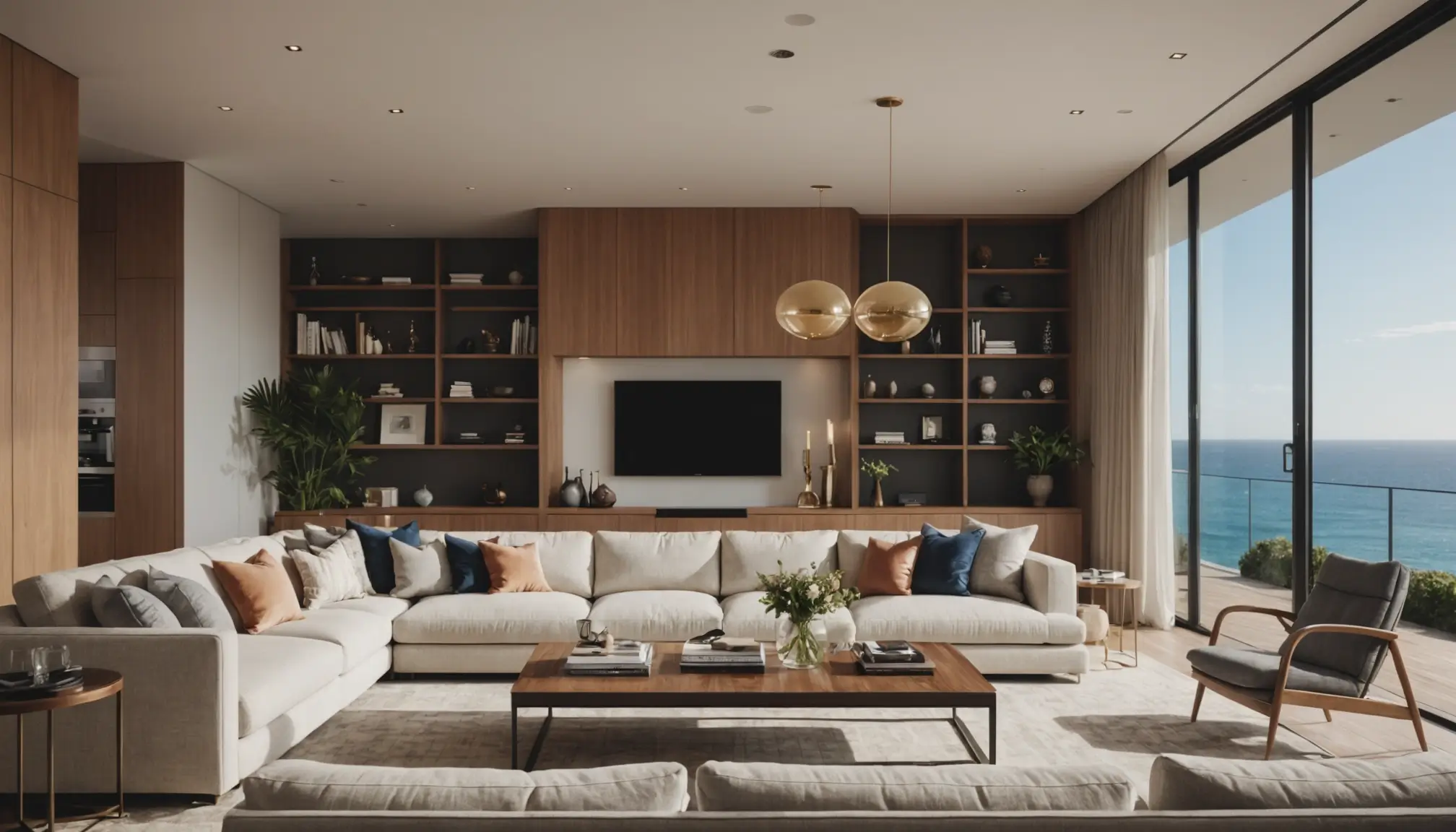
Explore our unique spaces

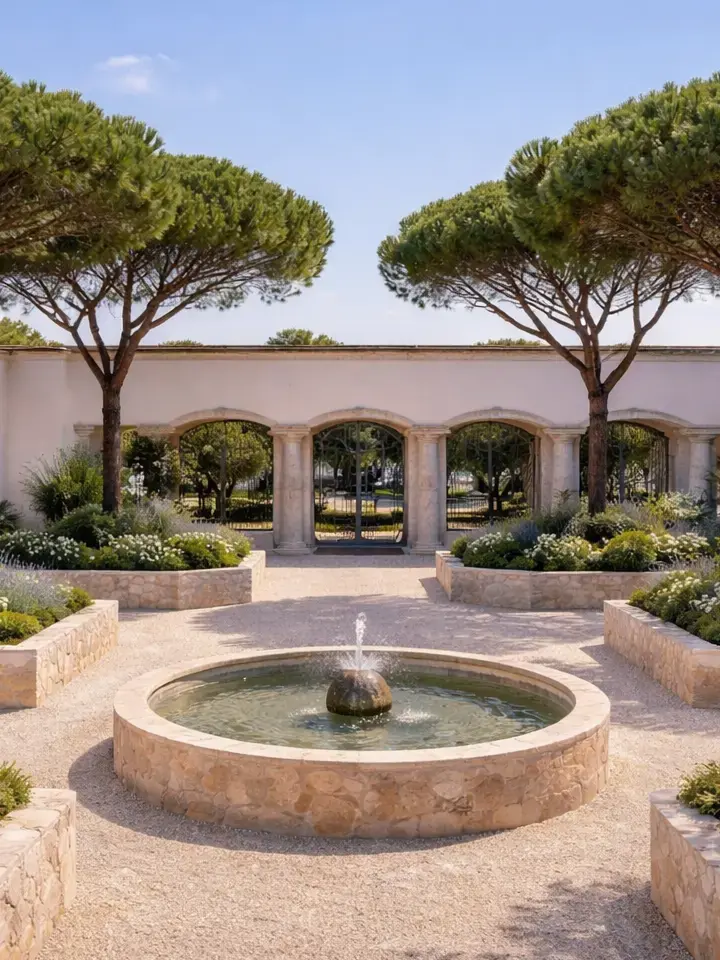
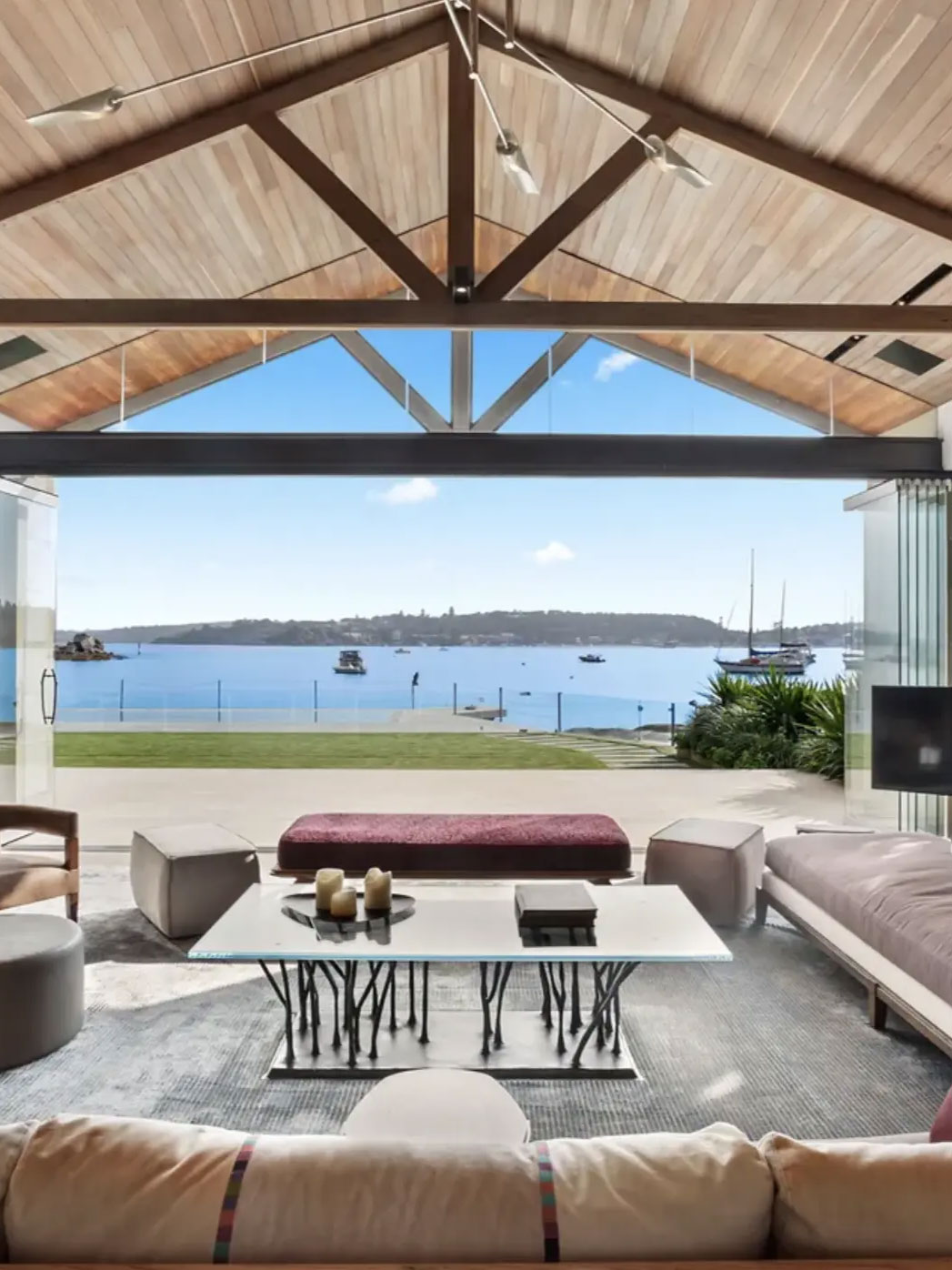




Your comfort is our top priority.
Allow us to exceed your expectations and create a truly unforgettable experience tailored to your every whim and desire.

Pre-Arrival Assistance
Our concierge team is available to assist with pre-arrival arrangements, including grocery shopping, restaurant reservations, and transportation coordination.

Luxury Transportation
Arrive in style with our chauffeur-driven luxury car service or arrange for a private helicopter transfer to and from the property.

Private chef
Indulge in the ultimate culinary experience with private chef services, where our talented chefs will create bespoke menus tailored to your tastes.

Wellness and Relaxation
Rejuvenate your mind, body, treatments, including massages, facials, and yoga sessions.

24/7 Concierge
Our dedicated concierge team is available 24/7 to assist with any requests or inquiries, ensuring that your stay is seamless and stress-free.

Special Celebrations
Celebrate life's special moments in style with our bespoke event planning services,
…and much much more.
For enqueries
please contact us
SEO by Ranki